
Las Vegas Dog Trainer's Tips for Seasonal Pet Behavior Challenges
DR
Understanding Seasonal Pet Behavior Challenges
As the seasons change, so too can your pet's behavior. Many pet owners in Las Vegas find that their dogs exhibit different behaviors as temperatures rise or fall. These changes are often natural and can be managed with the right approach.
In this post, we’ll explore some common seasonal behavior challenges and provide expert tips from local dog trainers to help you and your furry friend navigate these changes smoothly.
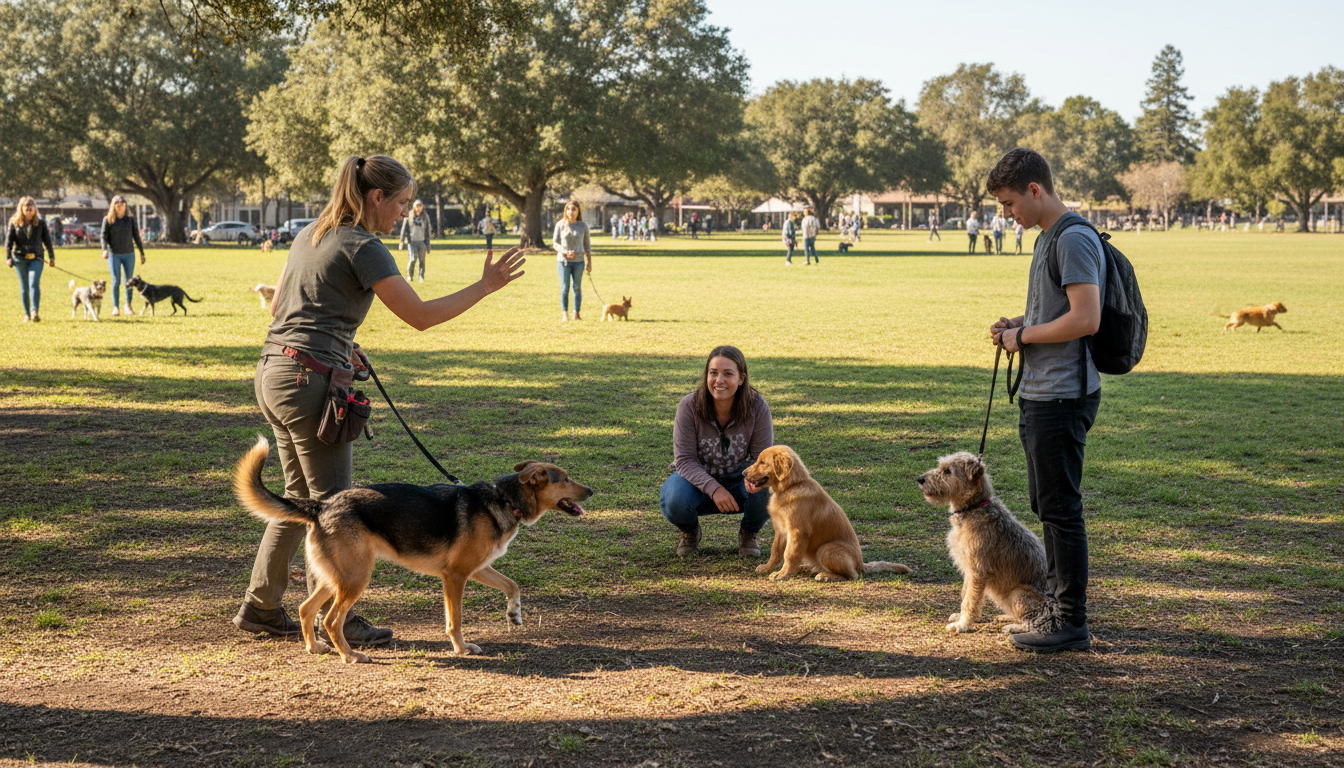
Hot Weather and Its Impact
Las Vegas is known for its scorching summer heat, which can significantly affect your dog’s behavior. Dogs may become lethargic, less active, or even anxious during hot weather. It’s crucial to ensure they have plenty of water and shade.
To help your dog stay comfortable, consider adjusting their walking schedule to early mornings or late evenings when temperatures are cooler. Keep an eye on their behavior and watch for signs of heat exhaustion, such as excessive panting or drooling.
Cold Weather Considerations
While Las Vegas doesn’t experience harsh winters, cooler temperatures can still impact your dog. Some dogs may become more energetic, while others might show signs of discomfort. Ensure your pet has a warm place to rest and consider investing in a coat for smaller or short-haired breeds.
Training sessions can be moved indoors if the weather is too cold. This not only keeps your pet comfortable but also maintains their routine and behavioral progress.

Handling Seasonal Allergies
Just like humans, dogs can suffer from seasonal allergies, leading to increased scratching, licking, or sneezing. This can affect their mood and behavior. Regular grooming and vet-recommended allergy treatments can help manage these symptoms.
Consult with your veterinarian to identify the best solutions for your pet’s specific needs. Addressing allergies promptly can prevent them from affecting your dog's behavior negatively.
Adapting to Daylight Changes
The change in daylight can also influence your dog's behavior. Shorter days might lead to increased anxiety or restlessness. Keeping a consistent routine helps your pet adjust to these changes smoothly.
Incorporate interactive toys or games to engage your dog during longer evenings. This keeps their mind stimulated and prevents boredom-induced behaviors.
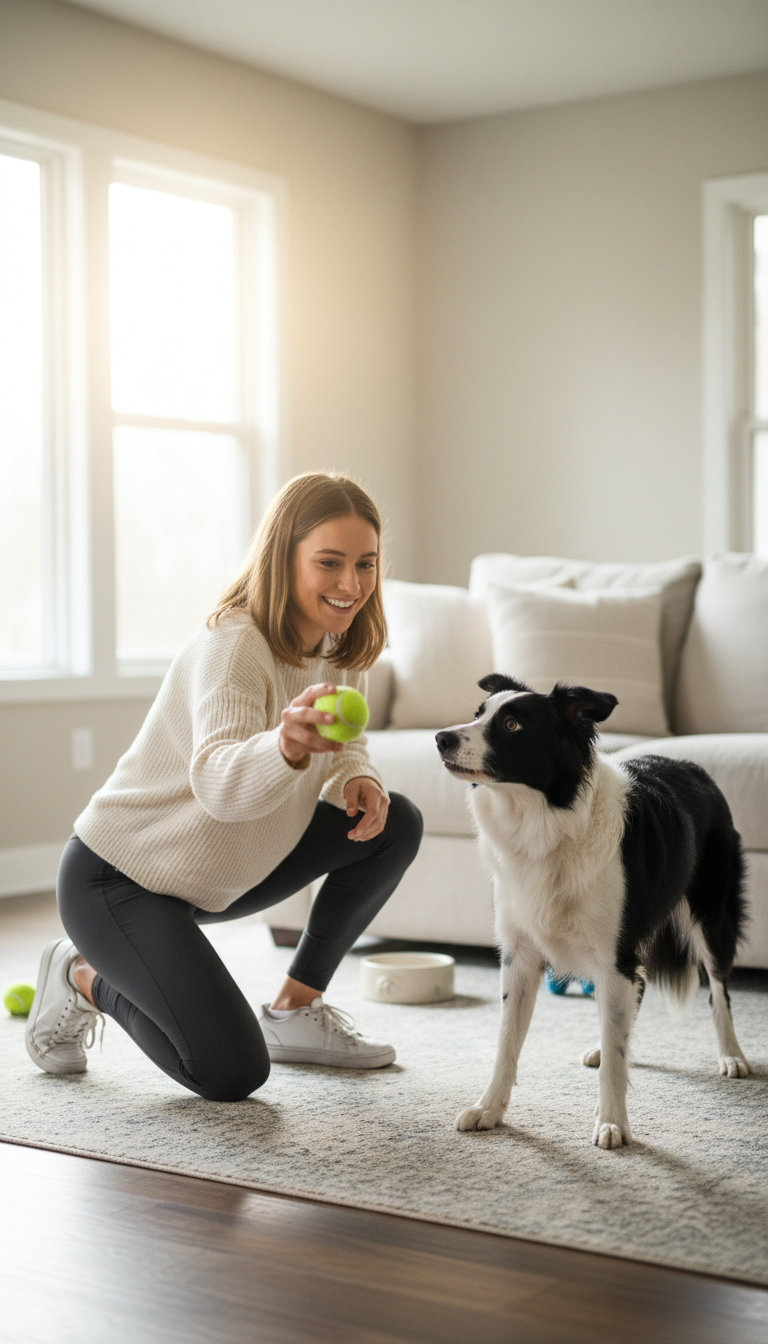
Preparing for Holiday Season Stress
The holiday season can be stressful for pets due to increased visitors and noise. Training your dog to be comfortable with new people and sounds is essential. Gradual exposure and positive reinforcement can make this transition easier.
Creating a safe space where your dog can retreat if overwhelmed is also beneficial. This ensures they have a quiet area to relax, away from the holiday hustle and bustle.
Conclusion
Understanding and addressing seasonal behavior challenges in dogs can lead to a more harmonious relationship between you and your pet. By being proactive and attentive, you can help your dog adapt to seasonal changes with ease.
Remember, each dog is unique, and what works for one may not work for another. Stay observant, patient, and willing to adapt your approach as needed.