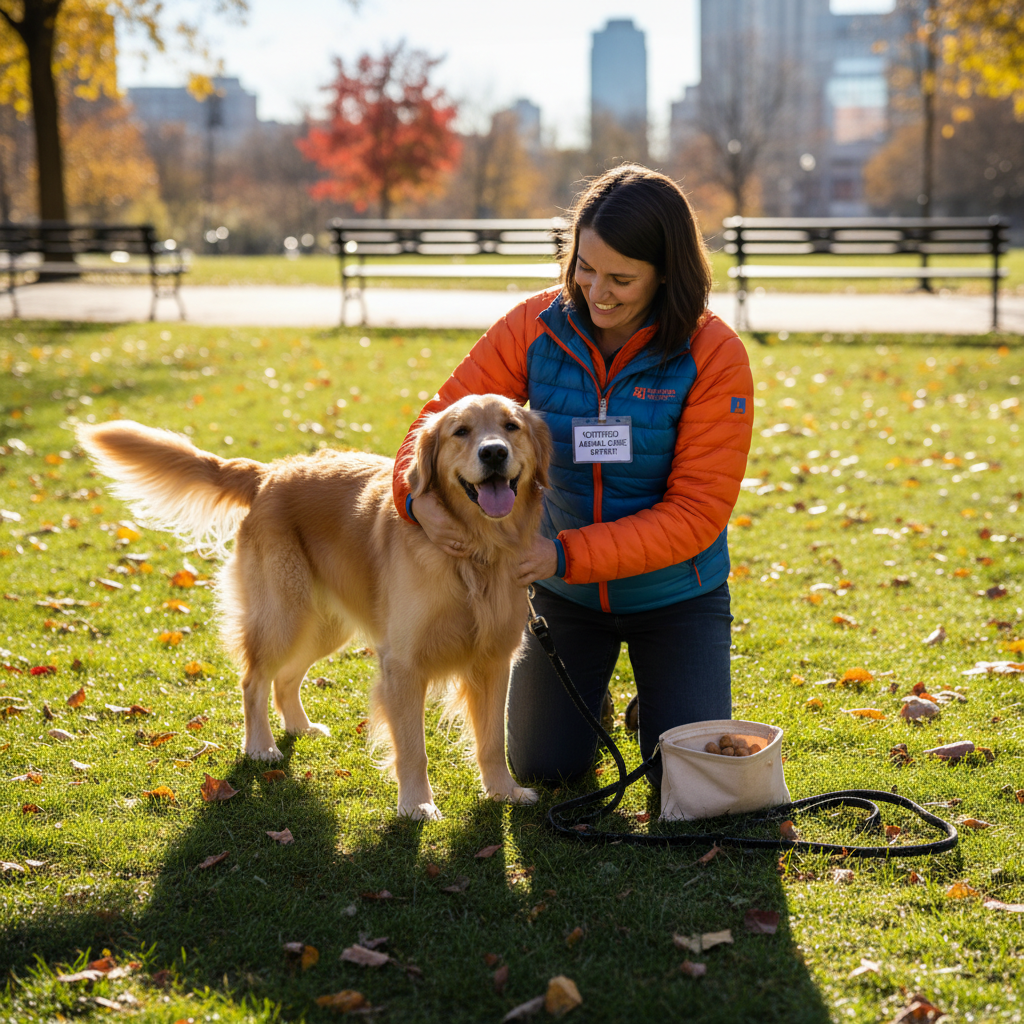
Understanding Dog Behavioral Training: A Comprehensive Guide
DR
Introduction to Dog Behavioral Training
Dog behavioral training is a crucial aspect of nurturing a well-balanced pet. It goes beyond basic obedience, focusing on understanding and addressing the root causes of various behaviors. This guide will delve into the fundamentals of dog behavioral training, providing insights and tips to help you and your furry friend communicate effectively.
Understanding Canine Behavior
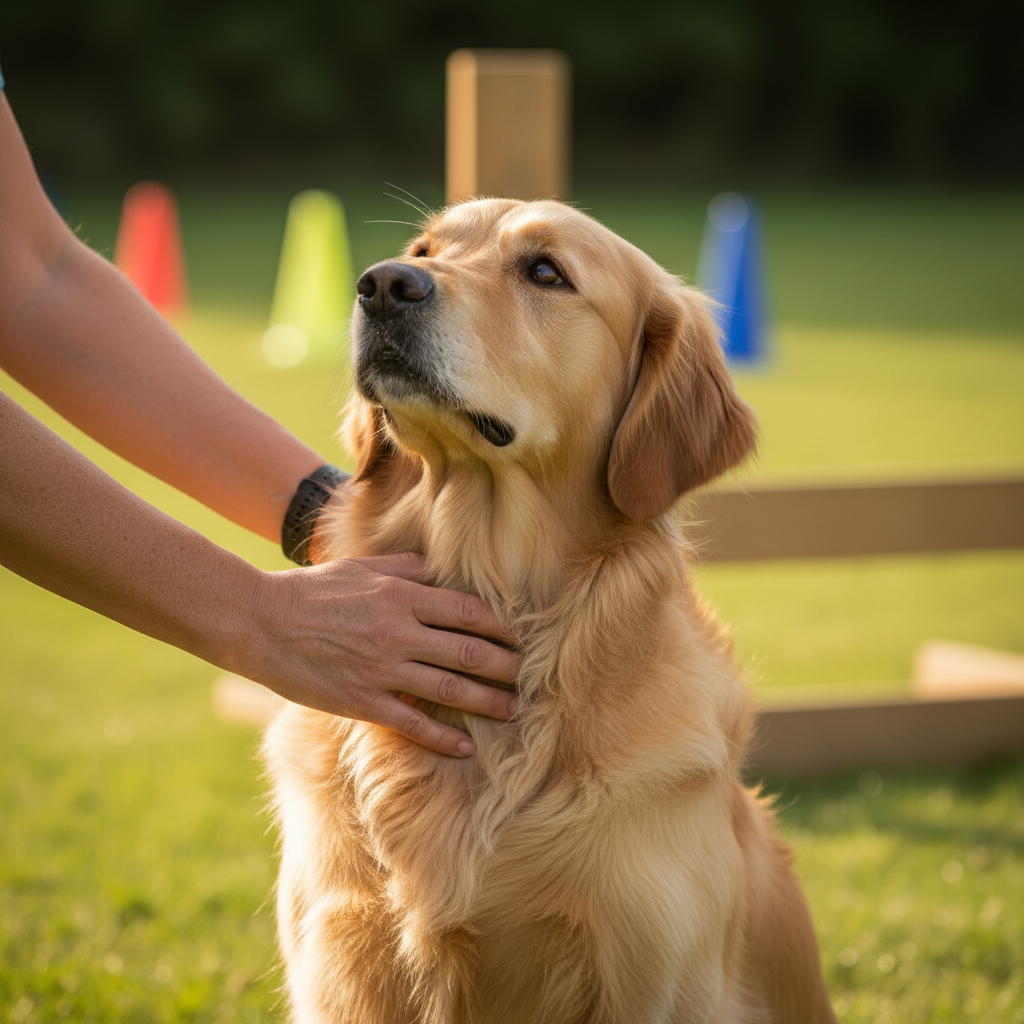
Dogs, like humans, have distinct personalities and behavioral traits. Understanding these can help in tailoring training methods to suit individual needs. Key factors influencing behavior include breed characteristics, past experiences, and socialization. Recognizing these elements can make a significant difference in training outcomes.
It's important to observe your dog's behavior in different environments and situations. This observation helps identify triggers for unwanted behaviors, such as aggression or anxiety, enabling you to address them appropriately.
Positive Reinforcement Techniques
Positive reinforcement is one of the most effective methods in dog behavioral training. It involves rewarding desired behaviors to encourage their recurrence. Rewards can be treats, praise, or playtime, depending on what motivates your dog.
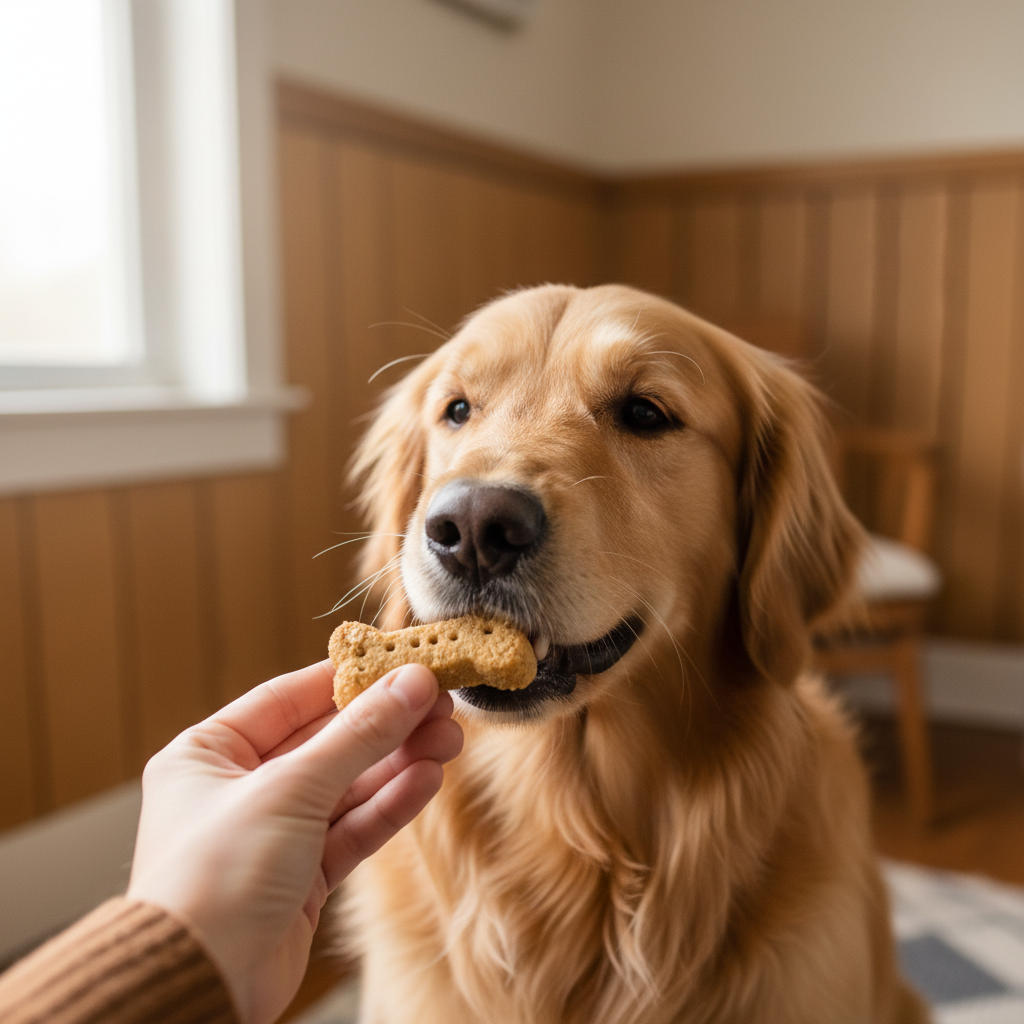
Consistency is key when using positive reinforcement. Ensure that rewards are given immediately after the desired behavior to create a clear association. This method not only promotes good behavior but also strengthens the bond between you and your pet.
Addressing Common Behavioral Issues
Some common behavioral issues include excessive barking, chewing, and leash pulling. Each of these can be addressed with specific training techniques. For example, redirecting your dog's attention with a toy can help curb chewing habits, while consistent leash training can prevent pulling.
It's essential to remain patient and calm, as frustration can hinder progress. If needed, seek the help of a professional trainer to tackle persistent issues effectively.
The Role of Socialization
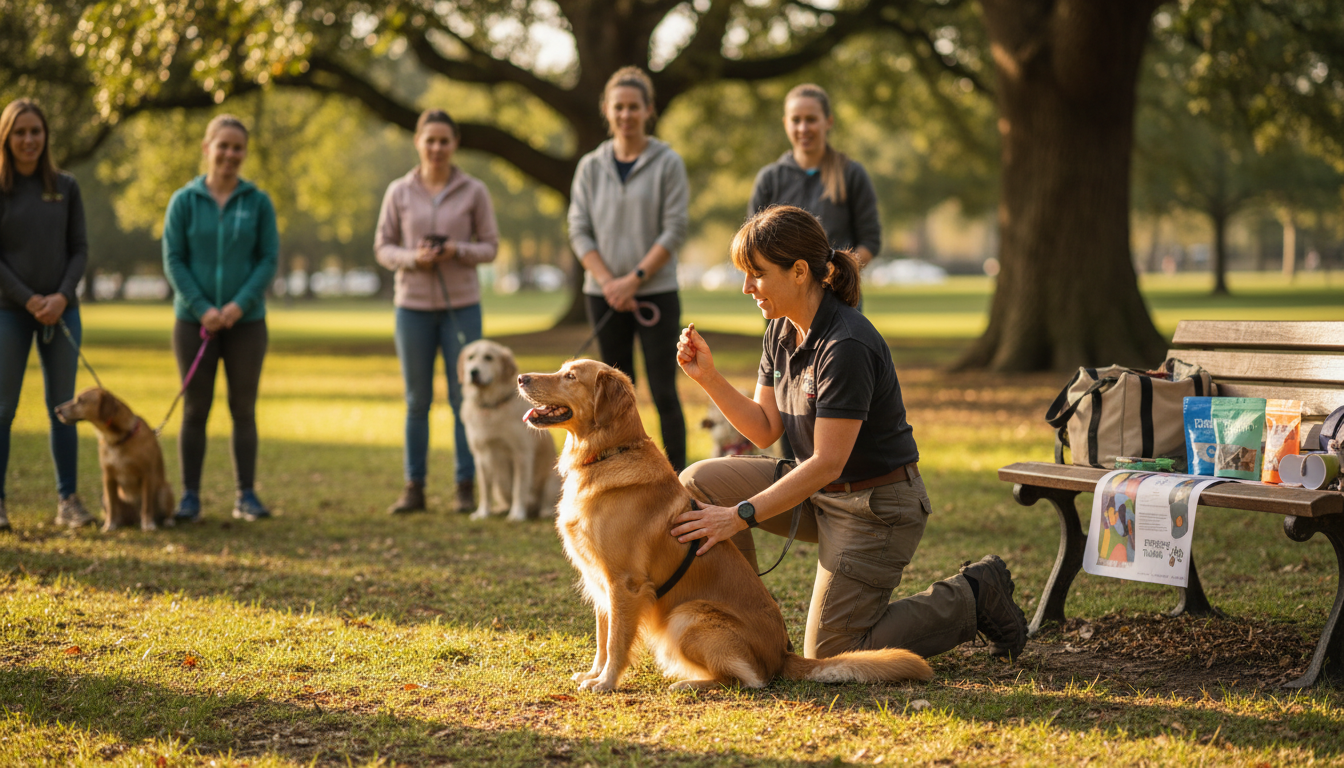
Socialization is an integral part of dog training. It involves exposing your dog to different people, environments, and other animals in a controlled manner. Proper socialization helps prevent fear and aggression, making your dog more adaptable and confident.
Start socializing your dog at a young age, if possible. Gradually introduce new experiences, ensuring they are positive and non-threatening. This foundational training can lead to a well-adjusted adult dog.
Creating a Training Plan
Developing a structured training plan is crucial for success. Set realistic goals and break them down into manageable steps. Consistent practice, coupled with patience, leads to gradual improvement.
- Identify specific behaviors to address.
- Choose appropriate training techniques.
- Set a schedule for regular training sessions.
- Track progress and make adjustments as needed.
Remember, every dog learns at their own pace, so tailor your approach accordingly.
Conclusion: Building a Lasting Relationship
Understanding dog behavioral training is a rewarding journey that enhances the human-animal bond. By using the right techniques and maintaining patience and consistency, you can nurture a positive relationship with your dog, characterized by mutual respect and understanding.